Flasks, decanters, and fancy whiskeys like Woodford Reserve tend to dominate the groomsmen gift world. Whether they’re sober, health-conscious, or just not into the bar scene, they still deserve a gift that’s personal, memorable, and straight-up awesome. We’ve rounded up our favorite non-drinking groomsmen gifts that are anything but boring. From custom travel gear to guy-approved grilling tools, these picks bring the “thanks for being here” energy. No alcohol required. Read More
When it comes to celebrating your anniversary, finding the perfect gift for him can feel like a challenge. You want something that’s meaningful, personal, and maybe even a little unexpected.
Whether it’s your first anniversary or your fifteenth, these hand-picked, personalized gift ideas will make him feel appreciated and loved. Each item on the list brings together style, function, and sentiment. Plus, every single one can be customized for free. Read More
If your dad’s idea of a perfect day includes 18 holes, a cooler full of cold drinks, and a few good “FORE!” jokes, we’ve got Father’s Day covered. This year, ditch the boring polo and surprise him with something that speaks to his favorite pastime—golf.
Whether he’s a scratch golfer or just there for the fresh air and cold beer, these personalized golf gifts will have him teeing off in style. Bonus: Every pick on this list can be customized just for him for free. Read More
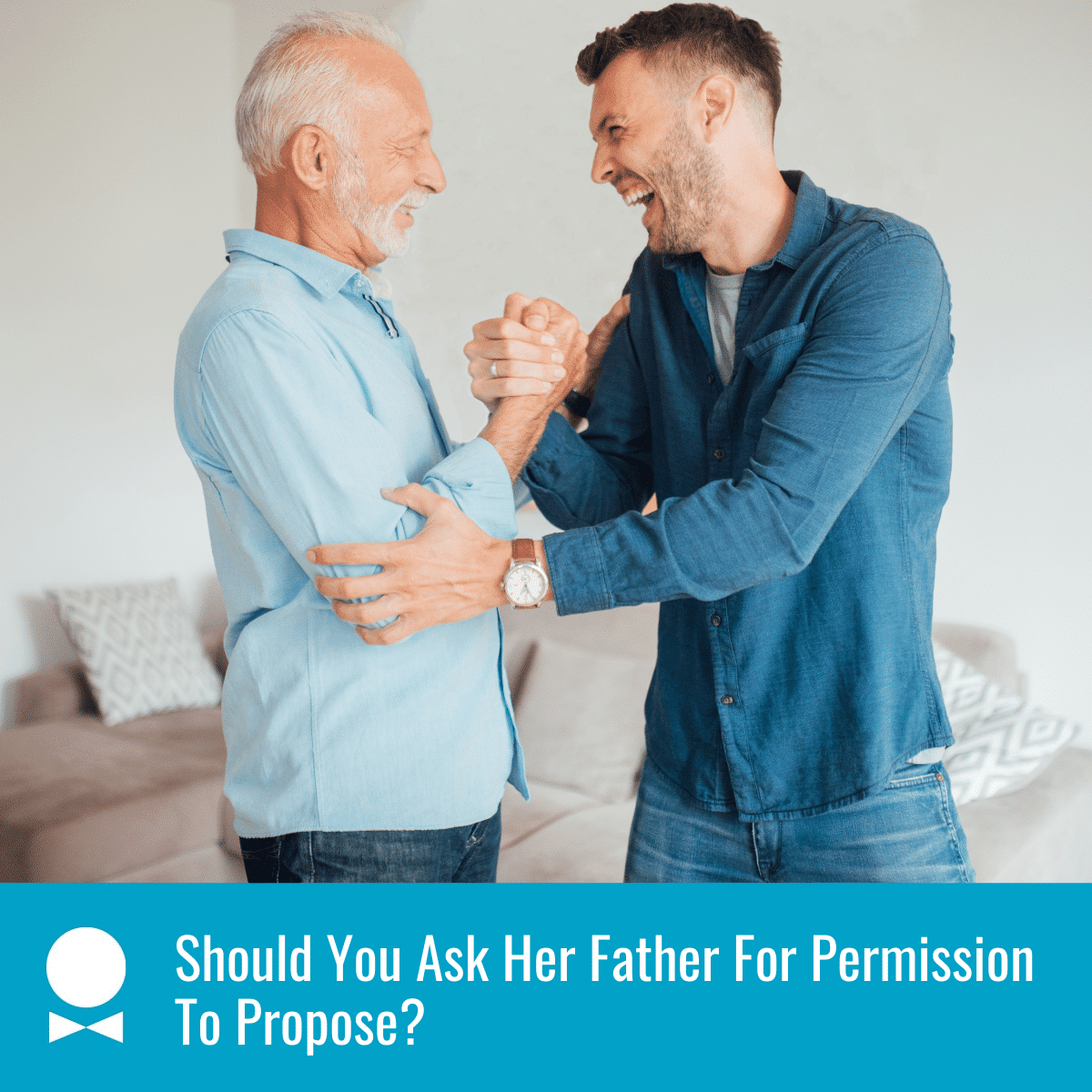
Asking for permission to marry someone’s daughter—tradition or outdated formality? While not everyone agrees, this time-honored gesture still carries weight. Whether you’re a traditionalist or simply want to build a strong foundation with her family, this step could make all the difference. Read More
Should you propose in front of her family and friends? It’s a big question, and while we don’t have a direct yes or no answer, this guide will help you figure out what’s right for your relationship. Read More
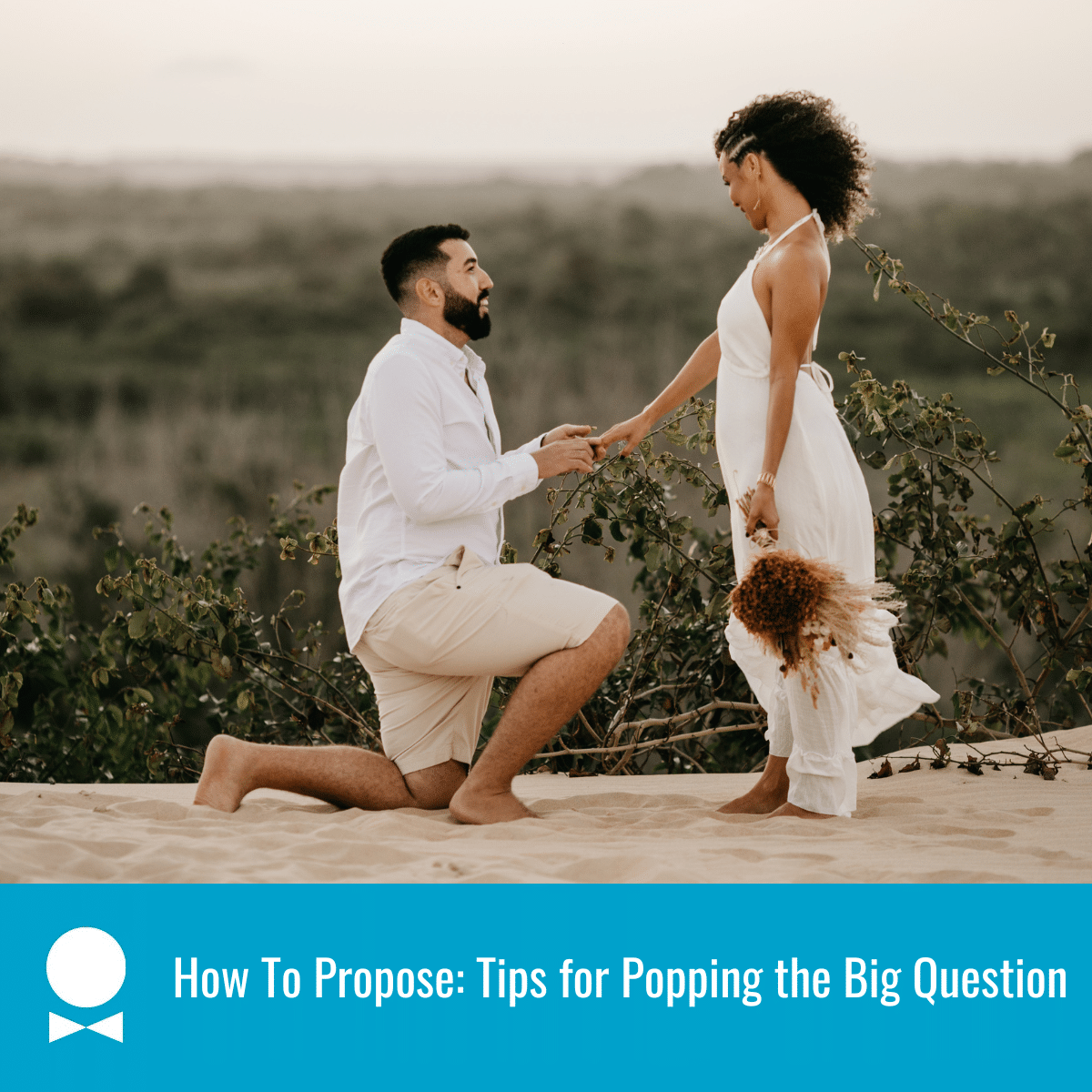
How you pop the question can really set the tone for the engagement and the marriage. We know it can be a nerve-wracking experience planning it all. Trust us — we’ve been there. The key is to remember to always stay calm and confident. Now, we won’t tell you exactly how to propose. That wouldn’t really be in keeping with our originality theme. However, here’s some helpful advice that will help slow your heart rate. Read More
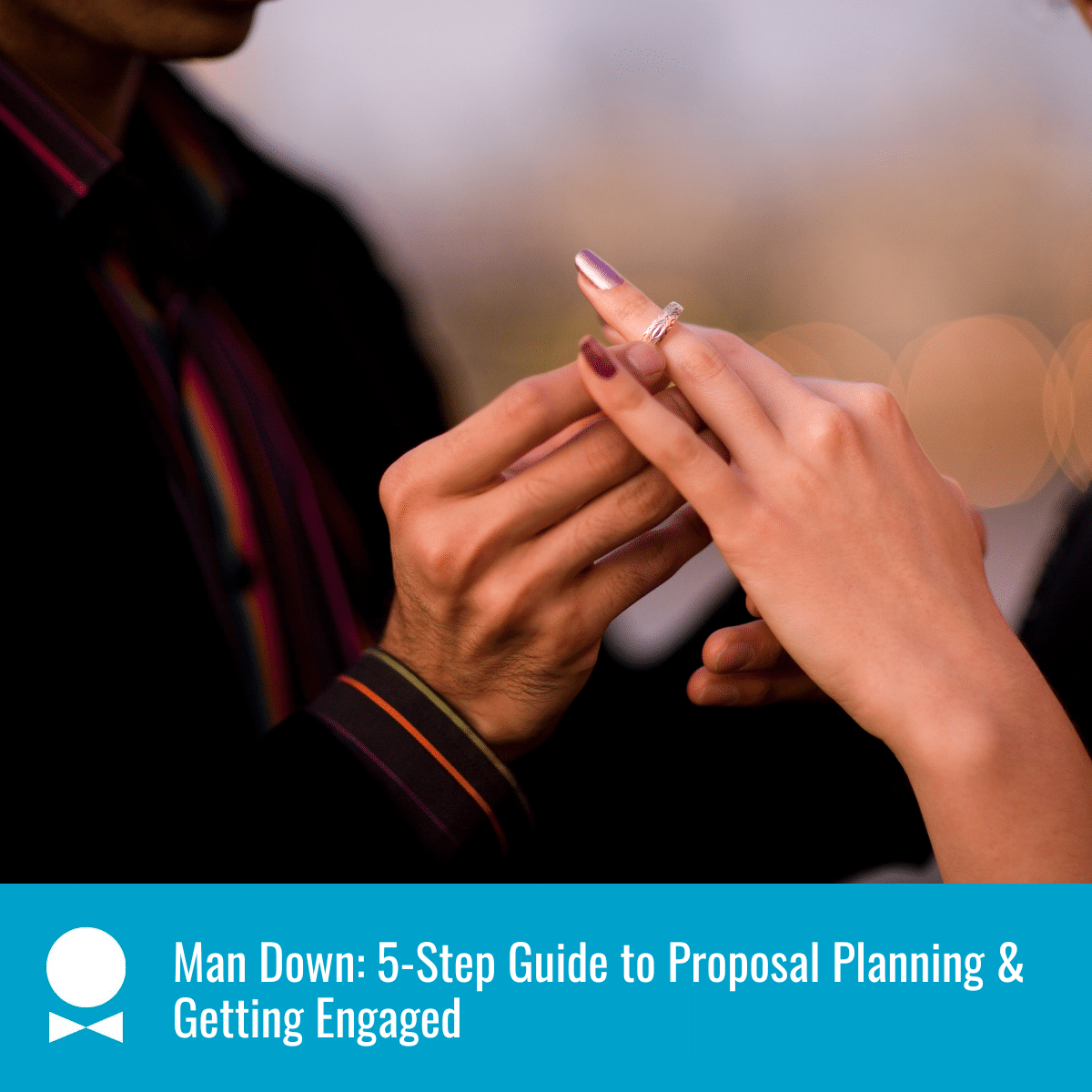
So, you have finally come to your senses and realized she’s the one for you. You want to tie the knot. Get hitched. Join your two households. Whatever you want to call it, the process of proposing can seem like quite the feat, but luckily for you, we're here to help. From secretly finding her ring size to knowing when to propose, we're here to ensure the entire process of proposal planning and getting engaged goes as smooth as possible. Read More
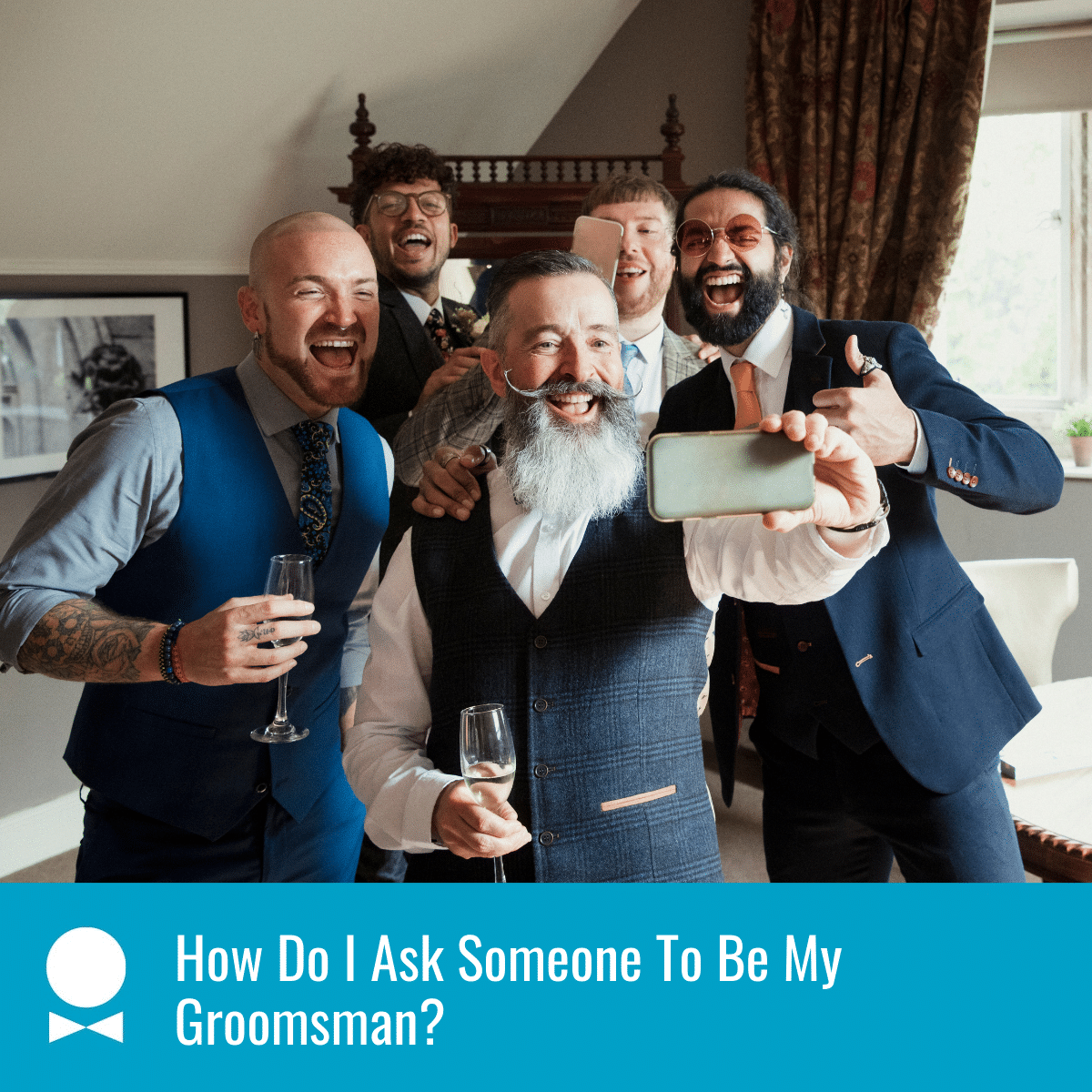
Asking someone to be your groomsman is more than just a simple question—it’s a sign of honor, a gesture of friendship, and a chance to show how much their presence means to you on your wedding day. Whether it's a childhood best friend, a brother, or a college buddy, making the ask in a thoughtful and meaningful way can set the tone for the wedding and solidify the bond you share. If you’re wondering how to ask someone to be your groomsman, here are some creative and heartfelt ways to pop the question and make it a memorable moment. Read More
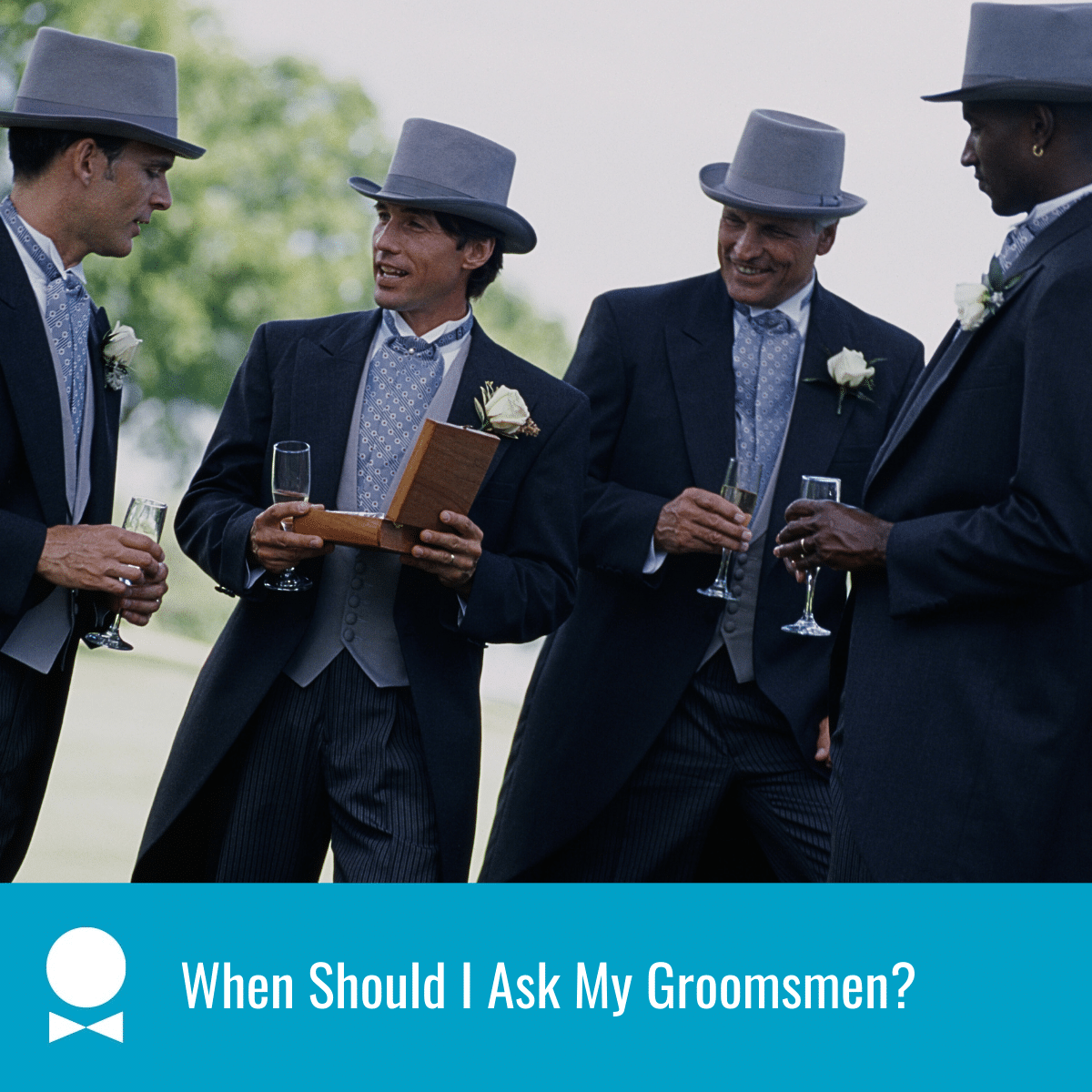
Deciding when to ask your groomsmen to be a part of your wedding is a key moment in the wedding planning process. These are the people who will stand by your side on one of the most important days of your life, so it’s only natural to want everything to be perfect. Timing is crucial. You don’t want to ask too early, but asking too late could lead to added stress. Read More
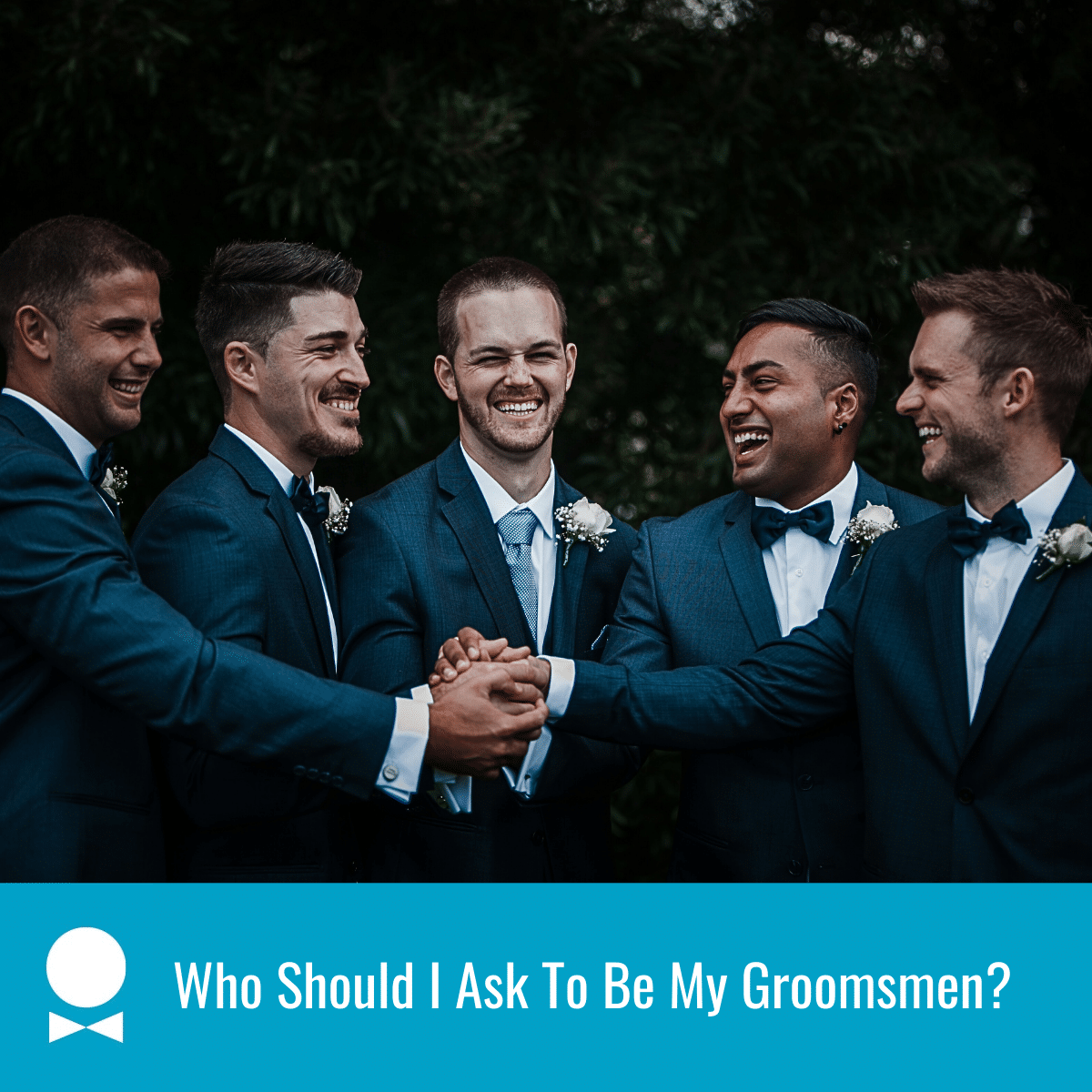
When it comes to choosing your groomsmen, the decision can be both exciting and a bit daunting. Your groomsmen will stand by your side during one of the most significant days of your life, so it’s important to choose wisely. This is an honor that should be reserved for people with whom you share strong, lasting connections—those who have been with you through thick and thin. Before diving into who to ask, sit down with your fiancé to determine the ideal size of your wedding party, as this will set the framework for your selections. Once you've agreed on the size, it's time to consider who will be the best fit for your big day. Read More
Your wedding day is one of the most memorable moments in your life, and for many, it wouldn’t feel complete without including every member of the family—furry friends included! Dogs are more than just pets; they’re companions, confidants, and sometimes, even ring bearers. If you're thinking about including your dog in your special day, there are creative, tasteful ways to make it happen. From walking down the aisle to starring in your wedding photos, incorporating your pup can add a unique and personal touch to the celebration. Read More
The opportunities are endless with things to do for the bachelor party. Maybe it’s an all-day affair or possibly a weekend celebration is in order – such as going to Vegas or arranging a float trip, hunting or fishing trip, or anything else you think the groom will enjoy. Read More
Once you’ve figured out the destination for the day/weekend, you should discuss the guests to invite with the groom. This is probably one of the most important, but sometimes overlooked areas. Read More
Typically, the bachelor party takes place between 1 and 4 months before the wedding. The “when” will greatly be impacted by how much planning needs to be done for activities during the weekend or all-day event. Making reservations and looking into the schedules of everyone who will be invited is also important to keep in mind. Read More
When deciding on a place, it is important to keep in mind what kind of scene you and the rest of the party envision for the bash. Are you looking for a relaxed environment to celebrate the groom's last night of freedom or is the group ready to shut down the bars downtown? Read More
There are many different ways to throw a bachelor party, from fancy five-star dinners to a Texas Hold’em weekend at the casino. But regardless of your party preference, there are some basic tips and advice worth following. These bachelor party do’s and don’ts can make or break the celebration – and even the groom if you’re not careful. Read More
One of the best man’s most important duties is to plan an epic bachelor party (aka stag party) to celebrate the groom’s final night of freedom before married life. If you want to plan a crazy night that the groom might not want to remember, this one’s for you. Our challenges for the groom is sure to set him up for a wild night out. This is the groom’s night, but that doesn’t mean he should get off easily. Read More
Instead of starting at a blank sheet of paper for hours on end, check out our sample vows and vow writing tips below, and consider this the walkthrough before the big game. Read More
As the popularity of man showers and couples showers continue to grow – now’s the perfect time for grooms to bring in some serious loot by creating their man registries. Read More
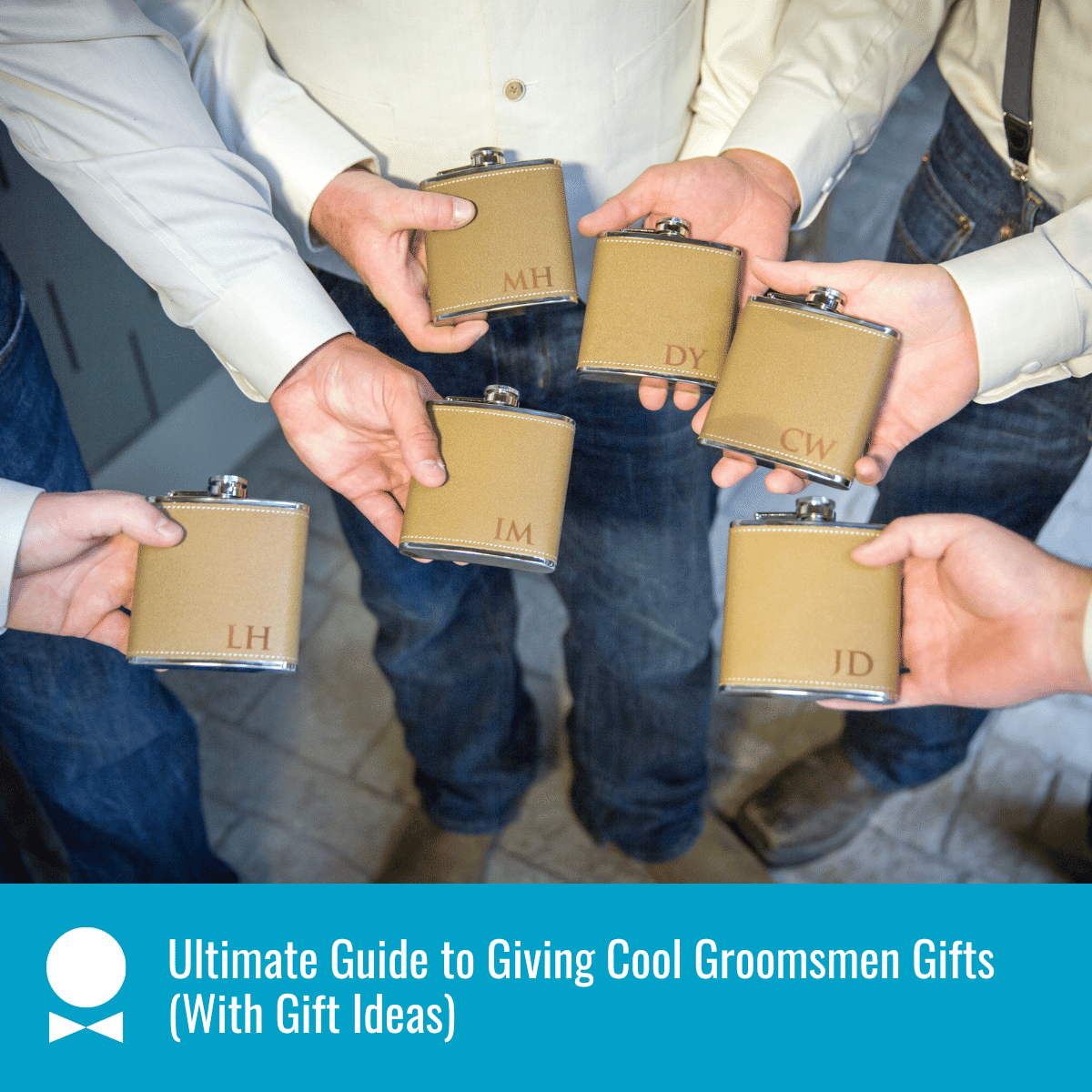
Your groomsmen and best man have been with you every step of the way — through good times and bad. Now, they’re ready to stand beside you on your wedding day. Your groomsmen will be renting tuxes, planning your bachelor party, making toasts, and helping out on the big day. It's customary (and necessary) to thank them with gifts as a token of your appreciation. The following is a detailed guide that covers the ins and outs of groomsmen gift shopping and groomsmen gift etiquette. Read More
If shopping for the men on your holiday list typically leaves you perplexed, exasperated, and/or hunting for the nearest bottle of wine (no judgment!), you’ve come to the right place. Don’t spend another minute contemplating whether he needs another “tool” or “something” for the yard. We’ll level with you: The answer is almost always no. So save yourself some stress this year, and check out these fun, dude-approved gifts we’ve rounded up instead. It’ll be our little secret. Read More
Have a cool gift for Dad yet? Father's Day is just around the corner on June 20th. Our 2021 Father's Day gift guide features 15 unique and personalized gift ideas that Dad will love. We also haven't forgotten about the husbands and grandfathers. Creative gift options are available to thank all of the special men in your life who have left a lasting impression. Read More
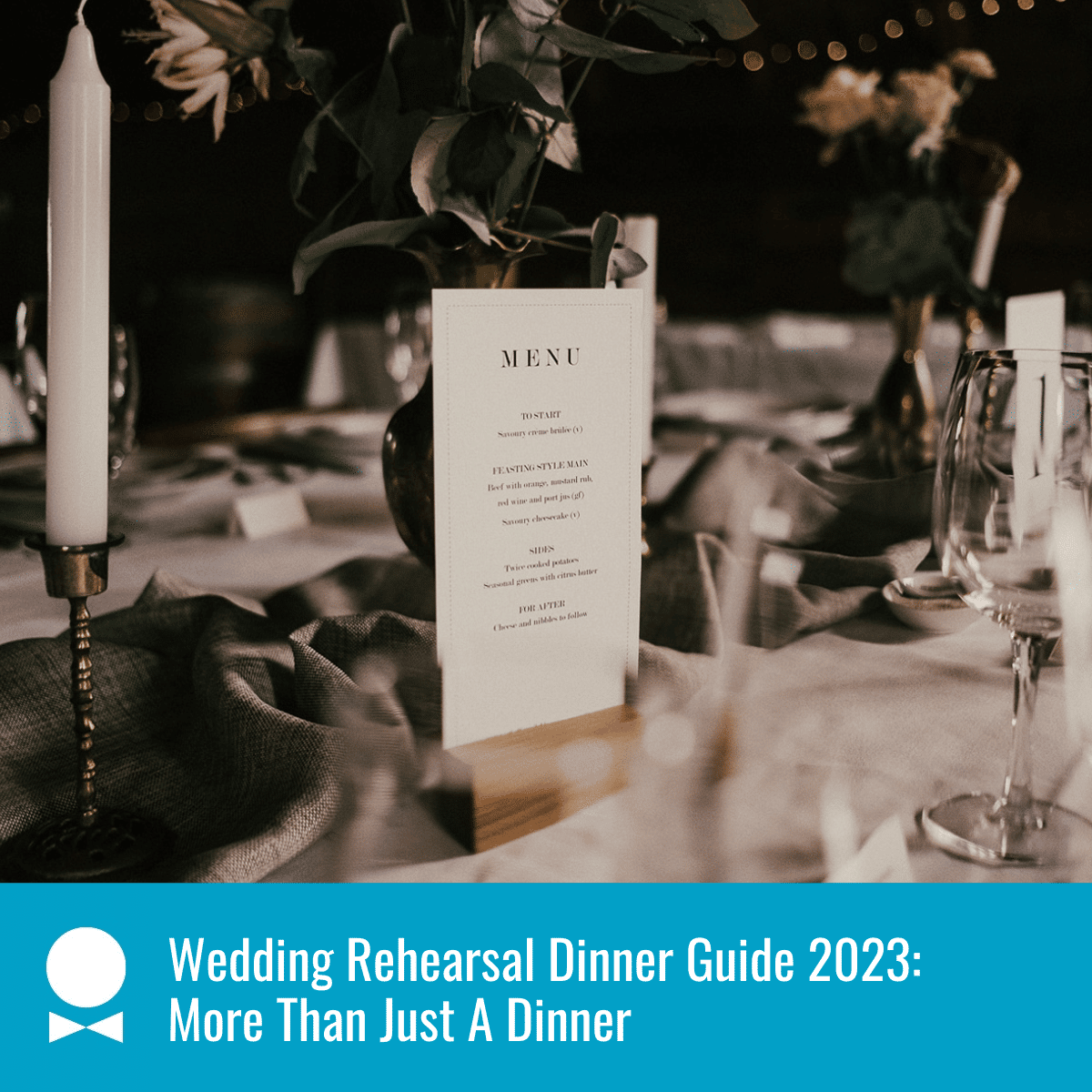
Rehearsal dinner planning is often the largest responsibility for the groom and his family in the wedding process. This event, which immediately follows the wedding rehearsal, is an opportunity to honor the bride and groom one final time before they take their vows. It also gives the couple a chance to thank their families and the wedding party for their support and for being a part of the wedding. While the reception will be the biggest party of the weekend, there’s no reason the rehearsal dinner can’t hold its own. Read More
Since 2008, we’ve been the go-to site for personalized, unique groomsmen gifts and wedding tips for men. We’re also proud to be the original groom’s gift registry.
I reached out to The Man Registry on a Saturday, just 7 days before my wedding, asking for help with my groomsmen gifts. I heard back within an hour and was able to get 8 personalized coolers in just 3 days. Ordering was easy and the quality was top notch. Would highly recommend The Man Registry!
— Parker R.
The Man Registry is phenomenal. The customer service is exceptional - seriously. You send an e-mail and a person (a friendly one at that) actually responds within an hour. Also, gift options are diverse and plentiful so you'll be able to find what works best for you.